What a fleece is for
A duvet is judged twice a night. At two in the morning you decide whether it is too warm, and at five whether it is warm enough. Wool makes a good case for passing both, and the case rests on what a fleece is for.
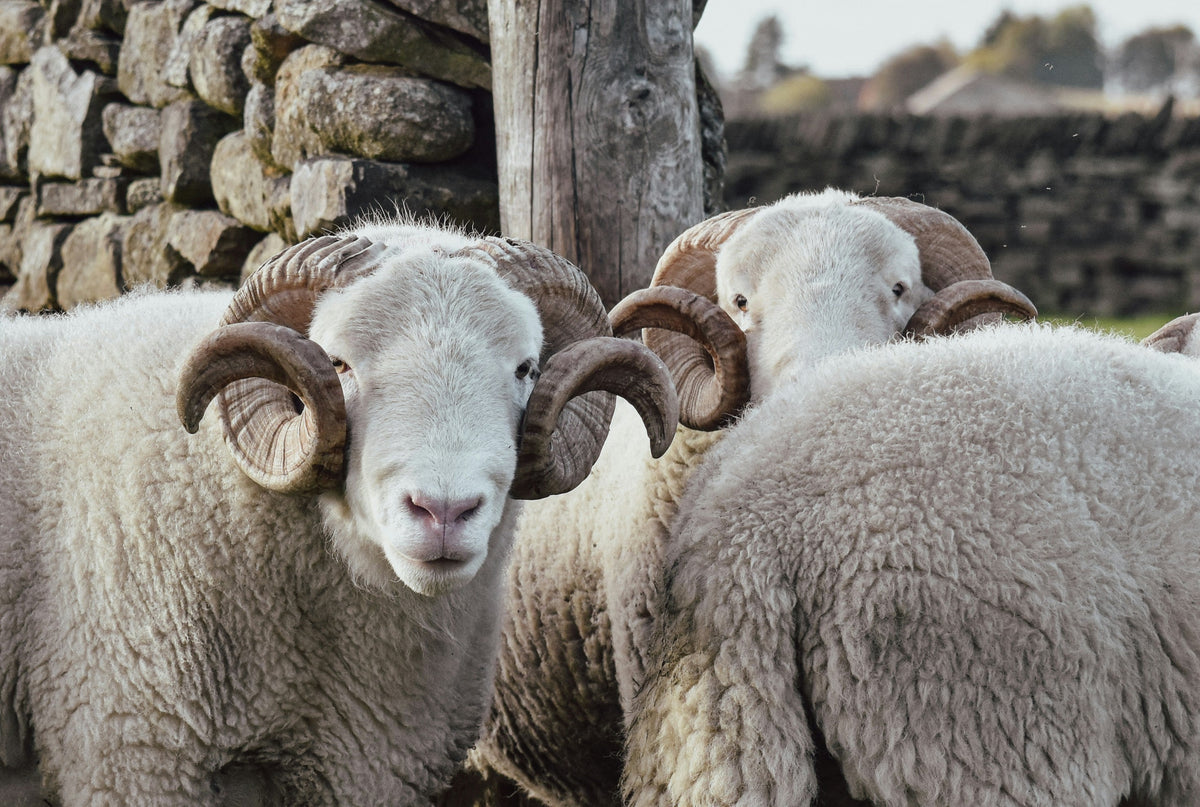
A sheep wears the same coat from one shearing to the next. It cannot take it off when the sun comes out or put on another when the rain sets in, so the fibre has to cope with both. Look at wool closely, and it is not straight but crimped, and that crimp, in British Wool's words, "adds bulk and traps a large volume of air between the fibres, giving it good insulation properties". Air held still is what keeps you warm, and that is the first habit of a fleece.
The second is less obvious. Wool takes up moisture when the air is damp and releases it when the air is dry, which British Wool calls being naturally breathable. In a bed, that suggests a filling that takes on some of the damp of a warm night and lets it go again. Put the two habits together, and you have the argument for wool at both hours.
We would not ask you to take a sheep's word for it. British Wool, with funding from the Welsh Government, commissioned research that was carried out by the BioComposites Centre at Bangor University. It compared single-bed duvets filled with wool, polyester, 85% feather and 15% down, and 100% down. The wool duvets had the best insulation of the four, absorbed less moisture, and passed more of it through, by a margin the report calls significant.
Read that with three cautions. British Wool commissioned the research, so it is not a neutral source. Its subject was Welsh wool, which the report says reads across to other British wools, and the duvets were retail products it does not name, so it speaks for wool rather than for ours. And it was a bench test, not a night's sleep: for moisture, a 35cm square of each filling sat over a heated water bath for about a day. It supports the argument without settling it.

The Wool Duvet comes in Summer, All Seasons and Winter weights, in sizes from UK Single to Emperor, and you will not find a tog number on its page. British Wool's guide explains why: the scale "is only suitable for synthetic and down fillings and does not give wool and other natural fibres a comparable rating". The Wool Pillow comes in Soft, Medium or Firm, in Standard, Square and King.
Wool is a good choice if you run warm, if you feel the cold, or if you share a bed with someone who does the opposite. British Wool suggests a lighter weight if you tend to sleep hot and a thicker winter weight if you run cold. If you and your partner disagree, you have our sympathy, and All Seasons.
Before Peter Reed was a name on a label, it was a name on a farm. In 1861, a farmer from Barley, on the slopes of Pendle Hill, started the business that still carries his name. It grew into weaving, and for 147 years we wove our own cloth in Lancashire; the looms are a story we tell in "What remains of Cottonopolis". This one is about the field, which has fewer dates and more weather. Filling our duvets and pillows with British wool, certified by British Wool, is a small way of staying tied to the hill where the house began.
Each wool duvet and pillow is made to order in our Lancashire mill, and we ask you to allow up to three weeks, which is long by the standards of a shop and short by the standards of a sheep. There is no tog number to compare, so you choose by weight and by how you sleep. And wool wants a little looking after: British Wool advises fluffing and airing wool bedding regularly to keep its loft, and following the manufacturer's instructions for washing and care, which vary by product.
Our cushions are made with 100% traceable British wool, too. A fleece was built for a hillside, and a bed is an easier job.